Time for a Change
When I started the Wild Ramp blog here the Market itself was not even open for business. I had been travelling the State of West Virginia writing another blog about local food for WVFarm2u so it was a natural extension to be involved with this blog.
I wrote daily. When I had no new information about the farms I visited, I shared other things I was learning. Things about the food we were eating. Things about how to live more sustainably Sometimes I just shared a photo.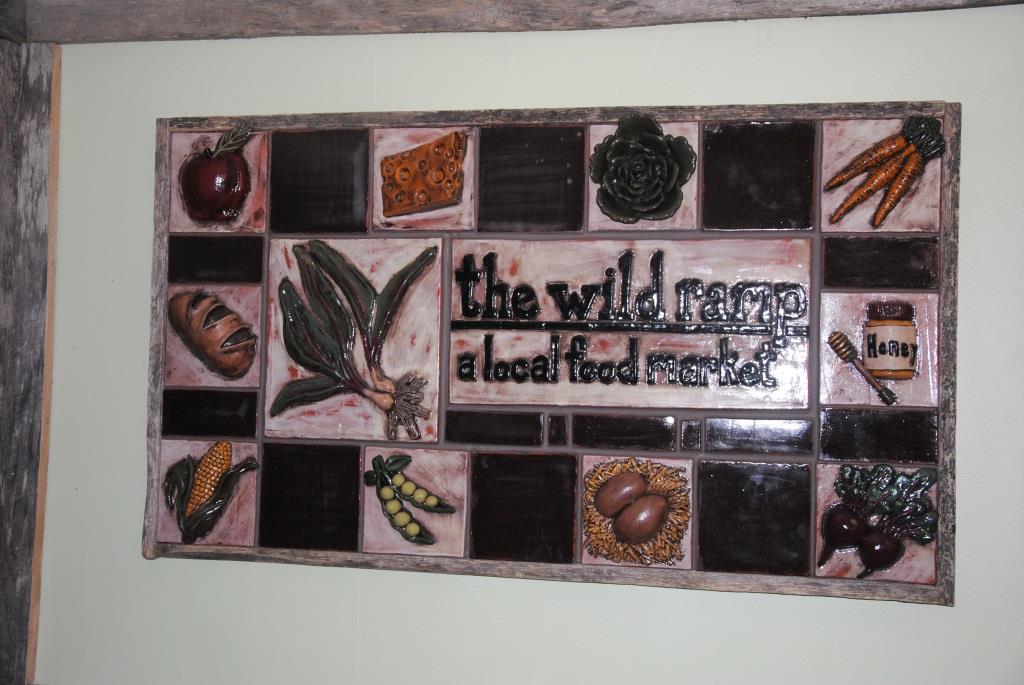
In preparation for my move to Oregon we asked for other people to come forward to help write for the blog. Each author would be responsible for only one day so essentially would have a week to prepare. We have a few authors but not enough yet. If you can help, please give it a try. Contact Stephanie Appleton at stkappleto@hotmail.com
Another change that was made was to move the blog to the Wild Ramp website. What that means is your subscription will be a dead end here….this is probably the last post to be published.
You need to click on this link http://wildramp.org/blog/ to go to the new blogsite and resubscribe.
Or subscribe right now by clicking below.
Subscribe to Wild Ramp Blog by Email
Thank you so much for being a reader and I will be sending periodic posts to the Wild Ramp blog from Oregon with interesting items.

Beth Rankin
Cut Up Chicken Now Available!!!
A number of farmers who bring food to the Wild Ramp Market have been providing pastured or range free chickens. The difference in the quality of the meat and its flavor is amazing compared to chicken from the supermarket. When we held a taste test October 12, 2012 at the Meet and Greet event that took place with the Apple Bake-Off over 50% of the people preferred the Wild Ramp chicken. 
People who preferred the supermarket chicken mostly said it seemed juicier. They then received a very short tutorial why: chickens raised in an industrial facility are fed hormones, steroids and antibiotics during their lives and the processed meat is also injected with water to weigh more when purchased by you. Yes, it is juicier, but that is not the way chicken is without a lot of added “help”. When you adapt your cooking of the Wild Ramp chicken there is no difference in moisture and a lot better nutrition going into your body.
Up to two weeks ago, the chicken at the Wild Ramp has been sold whole. A short experiment was conducted by Twin Maples Farm who brought in 2 halves, which sold very quickly.
Consumers have often requested chicken pieces. Producers are concerned that some parts would go unpurchased. Mil-Ton Farms brought in packages of whole chicken cut up, which sold out within a few days and plans to bring more in this week.
A very unscientific survey during several days at the Market indicated the desire for each part: legs, wings, breasts and thighs. In response to this demand, Avalon Farms will be bringing in chicken pieces Friday July 5. The future of cut up chicken at the Wild Ramp Market depends on your purchasing!

Packages of leg quarters including the leg and thigh will be sold, packages of wings and packages of breasts.
If you are a Friend of the Market you can call ahead and request packages be set aside for you and pick them up when you can get to the Market soon after at your convenience. This is one of the perks of consumer membership that enables you to have your yummy food and personal schedule too.
The Wild Ramp is celebrating its One Year Birthday! You, the community, built this market and through your generous support made our first year very successful. Please help us celebrate the new things to come by continuing your support. We ask for our birthday that you consider looking at our birthday wish list located at http://www.myregistry.com/Visitors/GiftList.aspx?sid=AFC92F31-701B-40F4-B574-A186E476BE21, stopping by to make a contribution, or signing up for volunteer hours to help the market’s continued success. Thanks! Let us make this a birthday to remember!
Eat the Farmacy to Avoid Shopping the Pharmacy
Winter is coming. Oh sure, it’s the end of June and ridiculously hot and muggy but believe you me, winter is right around the corner.
Were you sick at all last winter? Did you get a cold or the flu? Did you know that instead of spending a lot of money on medicine at the drugs store and feeling miserable you could start NOW to boost your immune system and keep your body healthy?
The idea of food as a way to stay healthy is not new but it is true that if you enhance your regular eating with some specific foods you can go a long way to building the kind of body that tackles those germs successfully!
You have to eat anyway, so why not plan a bit and do yourself a favor?
Try these 10 best foods to boost your immune system and see if you can’t feel better all year!
1. Brightly colored vegetables. You probably already know that you should eat a variety of the colorful vegetables. But do you know why? The bright green, yellow and orange vegetables have the highest amounts of carotenoids like beta carotene. These are antioxidants which help your immune system to keep in shape. Try vegetables such as peppers, carrots and squash. Choose a large variety and don’t think you have to just eat boring salads every day. Include these vegetables in hearty soups, add vegetables to your next lasagna or grate them up to hide them in meatloaf or meatballs.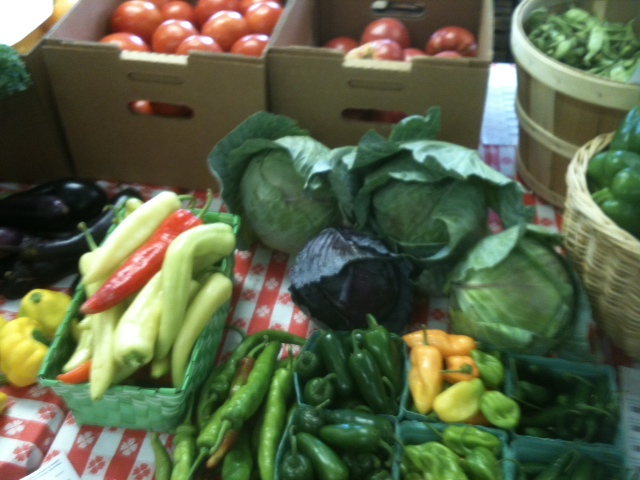
2. Nuts. Nuts are full of antioxidants and vitamins. Most importantly they contain a good dose of zinc. Eating nuts may lower risk your risk of chronic disease and they are so easy to carry for when you need a quick snack.
3. Berries. Vitamin C, present in berries in very large amounts, is thought to prevent injury to cells and is therefore very useful in boosting your immune system. Dark berries in particular contain large doses of bioflavonoids that can act as antioxidants which will attack the free radicals moving around your body. You should consume mixed berries as it is thought they all work together to give you the best boost. And they taste great too!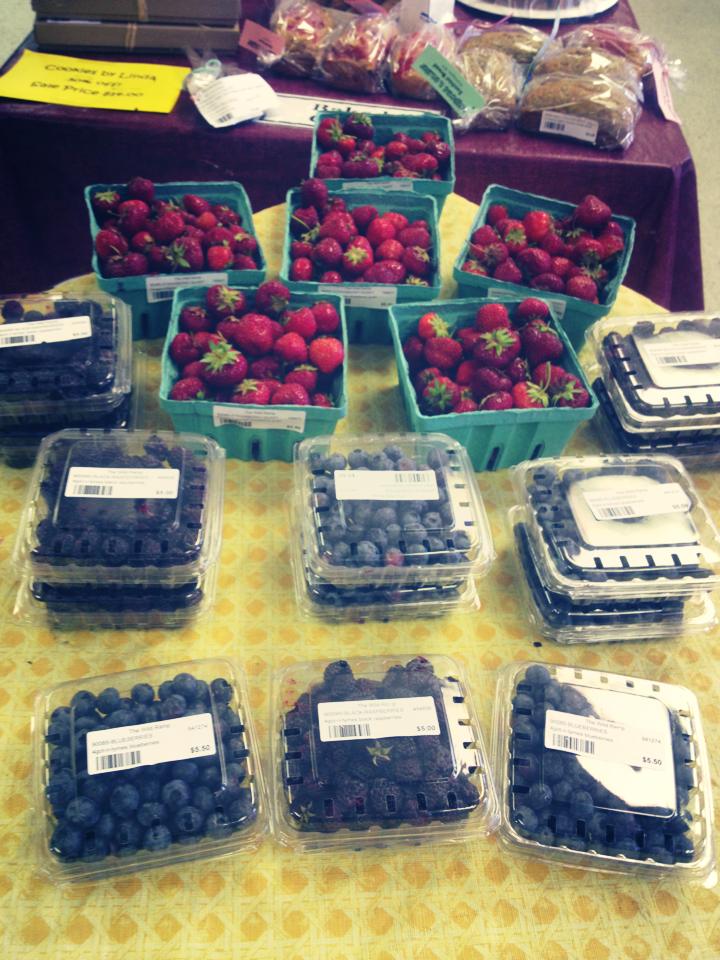
4. Chocolate. WHAT! Chocolate is junk food! Maybe not. Cocoa is an immune boosting food. And chocolate certainly contains cocoa. If you reduce the fat and sugar content and consume the cocoa you may be able to increase your good cholesterol and decrease the chance of heart disease. Now that hot cup of steaming cocoa is actually an immune booster. 
5. Fish. Fish are a great source of omega 3 fats and many people are deficient in these. Choose the fatty fish like tuna, mackerel and salmon to get the best dose. Zinc is also present in fish. Our bodies can’t make zinc so we need to consume it. Zinc helps with cell building, including your immune cells. Lean meat is another great source of zinc.
6. Garlic. Garlic fights infection and bacteria. With antiviral properties and also antibacterial features, garlic promotes the growth of your white blood cells. It’s also an antioxidant and is one of the easiest foods to include in your diet. Add it into soups, casseroles and sauces. Include it in salad dressings or roast it with vegetables. There are so many options to use garlic every day.
7. Yogurt. We all need more of the good bacteria in our bodies and yogurt is a great source. Live cultures in yogurt can help stop colds in their tracks! Eat Greek yogurt for the highest number of live cultures.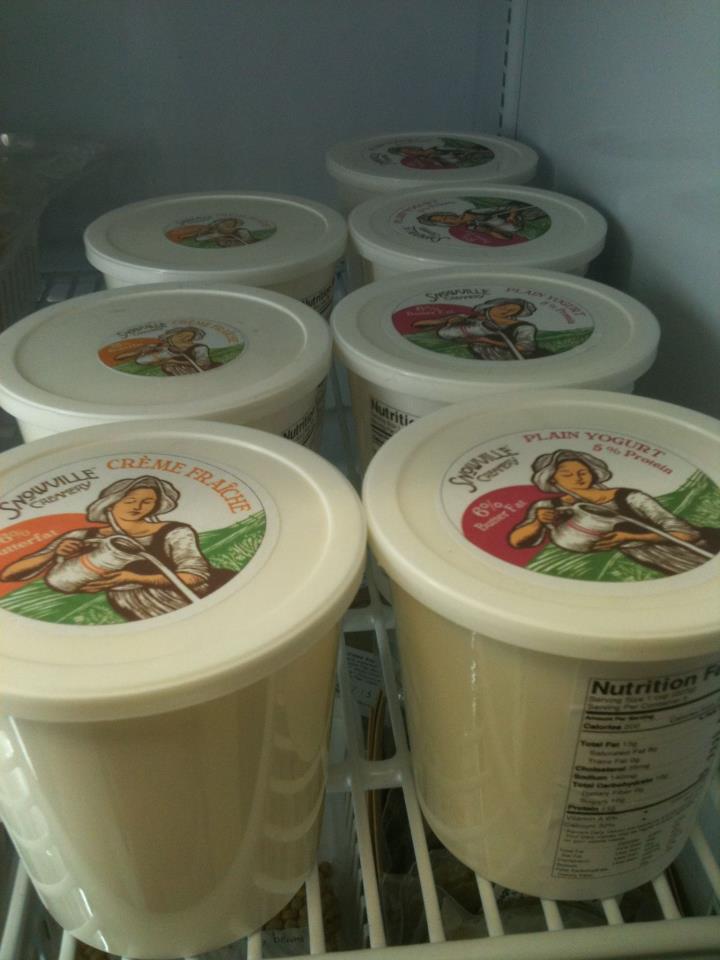
8. Tea. Tea contains an amino acid that assists the immune system to stay boosted. L-theanine is present in all types of tea. Even decaf has healthy doses of it. So drink up!
9. Mushrooms. If you want your body to fight infection you need to eat foods that can increase the activity and new production of white blood cells. Mushrooms are that food. There are many different types of mushrooms and they can be used in all sorts of ways to give you the best benefits.
10. Sweet potatoes. Sweet potatoes contain large doses of vitamin A. Our skin needs good amounts of vitamin A to keep it healthy. When the largest organ in your body is healthy, you have a much better chance of staving off infection.
So there you have the 10 best foods to boost your immune system.
Try to make your diet interesting and varied. If you get bored with fruit and vegetables, try to buy something you’ve never tried before and go for a little more than the usual apples and oranges in the fruit bowl. Remembering to mix up the colors of what you eat can be all that you need to spike your interest and enjoyment.
~~~~~~~~~~~~~
The Wild Ramp is celebrating its One Year Birthday! You, the community, built this market and through your generous support made our first year very successful. Please help us celebrate the new things to come by continuing your support. We ask for our birthday that you consider looking at our birthday wish list located at (link) stopping by to make a contribution, or to sign up for volunteer hours to help the market’s continued success. Thanks! Let us make this a birthday to remember!
http://www.myregistry.com/Visitors/GiftList.aspx?sid=AFC92F31-701B-40F4-B574-A186E476BE21
We’re Moving

Image credit: http://www.contentcustoms.com
Well, the blog is moving! We’ve integrated our blog with our webpage! Please follow us at http://wildramp.org/blog/ We’ll see you there!
Thanks!
A community-supported market…
“Our mission is to operate a year-round community-supported market that provides a viable economic outlet for local food producers while providing consumers access to locally grown agricultural products.”
You may have noticed that a key component in the mission statement for The Wild Ramp is that we are a community-supported market. When the Board of Directors started planning for The Wild Ramp, way back over a year ago, we knew that there was no way we could open a traditional business- with full-time employees staffing the store. If we had to come up with that kind of overhead, 1) we probably wouldn’t be open yet as we would have needed serious investors, and 2) it’s highly unlikely that business model could ever be profitable for the farmers to sell their goods at the market- the only other models we have seen run with volunteers and many of them have community-donated space.
However, we truly believed that the community would value the service The Wild Ramp was offering- not only fresh, local, healthy, tasty food – but also economic development opportunities for the local economy and local farmers. So we moved forward with a non-profit corporation.
What this means in non-legalese speak is that while we sell products, that’s not how The Wild Ramp stays in business. We make barely any money off of the food we sell. Remember, we give 90% of each sale back to our farmer producers, which barely leaves us enough to pay the rent and electrical bills.
So in order to keep the store open and all of our wonderful products available to you, we rely on both our farmers and our volunteers to help run the show! If you’ve been in shopping when a farmer is dropping off product, you may have seen them working around the store, but not understood their exact roles.
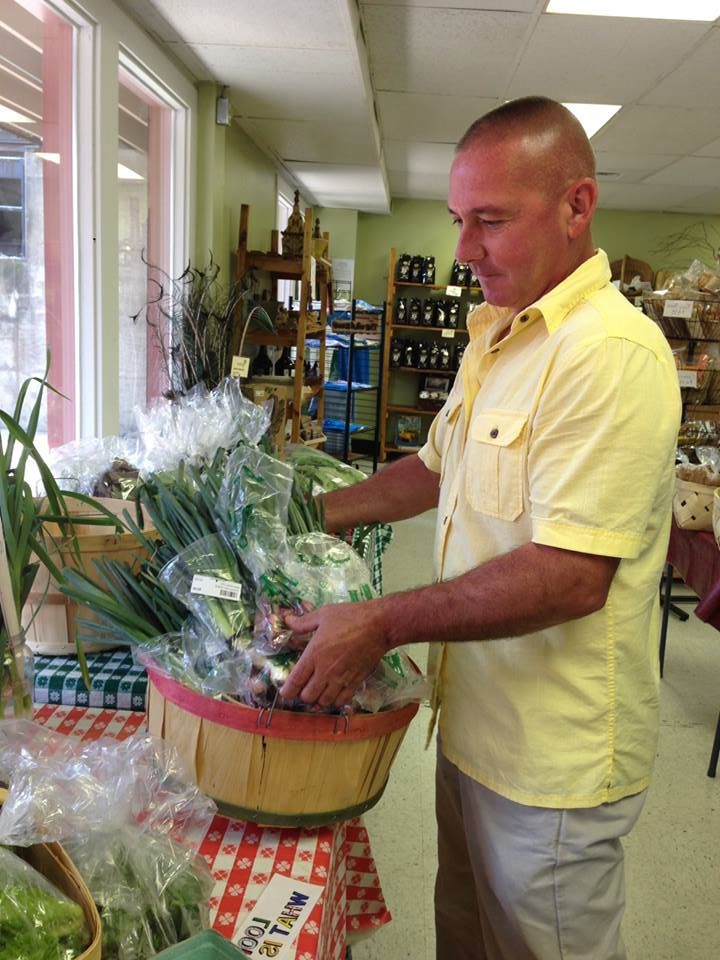
Farmers are responsible for pricing their own products (with our pricing labels so it runs through the computer correctly and credits their farm) and putting their goods out on the shelves or in the freezers or refrigerators. They are also responsible for their own signage, telling customers what is for sale and for how much. In that sense, we’re like a traditional farmers’ market.

However, because we’re open more like grocery store hours, there are other tasks, such as restocking from the back or helping to sort and maintain the produce, which the farmers aren’t always around to help with. That’s where our volunteers come into the picture!

Volunteers do a number of important tasks around the store. You’ve probably seen them running the register, but there are lots of other jobs around the market- restocking the shelves, letting the Market Manager know what needs to be reordered, sweeping and mopping the store, helping to put price labels on items that are shipped to the store, putting away produce at night, pulling it back out in the mornings, answering questions from customers, coming up with recipes so people know what to do with unusual produce- the list is really endless! And behind the scenes, there are even more tasks- keeping our databases up-to-date, ordering products as they run low, designing flyers for Wild Ramp events, helping to call other volunteers to make sure the store is staffed, sewing feedsack bags – and more- that list is endless too!
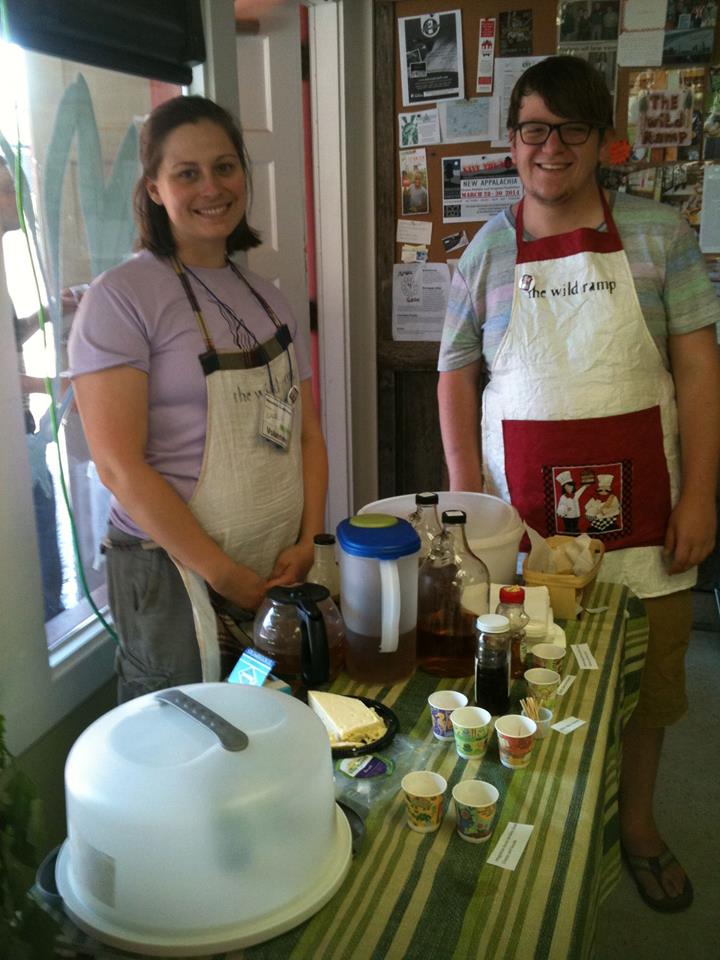
We have estimated that it takes over 300 volunteer hours a month to keep the store open. Would you consider joining The Wild Ramp community-supported market by coming down and volunteering a few hours a month? We need you! Email our Volunteer Coordinator, Cara Bailey, at volunteer@wildramp.org to find out more how you can help!
Who is volunteering now?
You just never know who you might see volunteering at The Wild Ramp. We’ve had a local business owner known for his fun T.V. commercials, Chris Miller. You may run into your child’s teacher, a neighbor, an old friend, or the farmer who grows your food. You may even see the mayor of your city. This Saturday, that is a sure thing.
 On Saturday May 29th, Mayor Steve will become one of so many exceptional members of the community that have stepped forward to donate their time, money and resources to the development of The Wild Ramp. The Mayor will be greeting customers and bagging purchases from 11am-2pm.
Mayor Steve commented on why he wants to volunteer, “I want to be associated with innovative, creative, thinkers, and doers who are changing our community. The Wild Ramp is a wonderful example of how the Huntington area has become an innovative and entrepreneurial community. The founders of The Wild Ramp have found a niche to bring and connect farmers with consumers in an affordable manner. As a result, our city is addressing head on the availability of healthy food choices. The Wild Ramp is proving we don’t have to have an outside corporate interest located here to bring innovative business models…we can build it ourselves!”
We greatly appreciate the mayor’s support, and invite you to come visit him Saturday while he is at the market to share why The Wild Ramp is important to you! See you, and the mayor, on Saturday!
The Power of Belonging
It may be hard for people who know me now, but in my younger days I was pretty quiet and shy. The ability to talk to anyone about almost anything came later, once I entered the work world and was required to go meet with a lot of strangers and convince them to participate in a new statewide program. One-on-one, I learned I could find something in common with just about everyone. And once we could chit chat I could say what I needed to say for the job and persuade them to do their part. So, I learned to overcome shyness…and it is a lot of fun to talk to people!
I really enjoy the time I spend at The Wild Ramp Market each week. I started working on Wednesday mornings because at that time it was the first day the market was open after the weekend and being no fool, I knew I would have easy access to all the fresh food the farmers brought in to restock the store. When market hours expanded to Tuesdays last year I had my schedule and did not change. It turns out there is plenty of yummies any day with the way various Producers deliver throughout the week.
Greeting each person when they enter is easy and it seems that most people respond to an upbeat attitude and smile. It is fun to identify the first time shoppers. They all tend to step into the shop and then stand still for a few seconds, looking around. That is my clue, if I am not busy helping at the cash register, to step up and ask, “Is this your first time here?” It is fun to find out how they heard about The Wild Ramp. Word of mouth from friends is the predominant way, but we are also seeing a lot of tourists travelling through the area who got off the Interstate for a break and came down to Heritage Station to the Convention and Visitors’ Bureau.
I proudly tell them that The Wild Ramp is most likely different from any other farmers’ market that they have ever visited. We are a local market first and foremost and I point out the map with its concentric circles of 50 miles and dots positioned where the Producers are located. It clearly is evident that most of the food available at The Wild Ramp comes from within 50 miles of Huntington. I point out, that is as the bird flies, not as the roads wiggle and we have to drive here. Usually gets a smile. Oh yes, our mountain roads are quickly recognized as one of the unique features of our state.

I explain how the fresh produce, our wonderful fruits and vegetables, are located at the front of the store and how the market changes its appearance as the season progresses. I warn them that in a few weeks, when the tomatoes and peppers and more summer produce start coming in, the tables will be piled high and the windows may break because of the amount of freshly picked ripe produce that will be available. Another smile at my attempt at humor. 
Towards the back of the Market we have the prepared products: the pasta, the sauces, the crackers and more. Take your time and explore. You’ll notice coffee and chocolate too, obviously not grown in the Tri-State region but roasted here and wonderful.
The two white coolers have the milk (we need that van to bring more in each week…if you haven’t already “Liked” Dutch Miller Kia (https://www.facebook.com/dutch.kia?fref=ts) please take a few seconds to do that. He will be giving us a van in order to be able to go get larger quantities of milk and other foods from up in the Athens area. Anyway, the coolers have the milk, cheeses, eggs and sometimes more fragile produce that does better staying cool. 

~~~~~~~~~~~~~~~~~~~~~~~~~~~~~~~~~~~~~~~~~~~~~The freezers have our protein: chicken, beef, pork, lamb, goat (yes, the most eaten protein in the world so get over your hesitation and check it out), trout, bison, rabbit, and veggie burgers. 
And finally, the small freezer has Jeni’s ice cream. My mother usually channels the next statement: You can buy some only if you buy “good” food too. 
It’s all good. So it’s all so easy to talk about. Volunteering at the Market is easy and the time flies by. People are friendly. They’re happy to be there. It is great to be part of this and have a sense of belonging to a community that cares about something of value.
Hannah Volunteers!
“Never doubt that a small, group of thoughtful, committed citizens can change the world. Indeed, it is the only thing that ever has.”
—Margaret Mead.
Have you seen this smiling face before?

Meet Hannah Redman, one of many Wild Ramp market volunteers. Her role, and every volunteer who volunteers to work at the market, is essential to The Wild Ramp’s mission: “to operate a year-round community-supported market that provides a viable economic outlet for local food producers while providing consumers access to locally grown agricultural products.”
Hannah is a senior at Marshall University, majoring in dietetics. She also works at the Huntington Area Food Bank as the Agency Relations Assistant, when she’s not volunteering her time at The Wild Ramp or the Tri-State Literacy Council, as a literacy and ESL tutor. Hannah’s story is an attestation of the importance social media now plays in our daily lives. Not surprisingly, Hannah heard about The Wild Ramp on Facebook before the market even opened. She saw other people talking about it and added The Wild Ramp’s page to her list of “likes”.
In January of 2013, Hannah began volunteering at TWR as part of a work study program at Marshall University. The Marshall University Community Federal Work Study Program partners students with organizations that aim to improve the Huntington Area; through humanitarian programs, educational outreach and physical beautification. The Wild Ramp is Hannah’s community partner. As a volunteer, Hannah serves “as a manger at the Ramp. I do it all — run the register, answer phones, stock, work directly with producers, and oversee other volunteers during my shift.”
When asked what she has learned by volunteering at The Wild Ramp, she told me that she has learned how important it is to know your farmer, how to care for different plants, and how to grow her own food. Not only is volunteering at The Wild Ramp a learning experience, but it is also a rewarding experience. According to Hannah, volunteering at The Wild Ramp allows her to see the “customers buy foods that they enjoy” and “help our local economy. I love the people a lot. I love all the volunteers and board members that I work with. They are all so passionate about it and it shows, …and it rubs off on you.”
Like so many of us, Jeni’s ice cream is Hannah’s favorite item in the market.
The next time you see Hannah at The Wild Ramp, say hello.
The Wild Ramp is staffed solely by volunteers, with the exception of one paid employee, the market manager. That’s why volunteers like Hannah are essential to the success of The Wild Ramp.
If you would like to volunteer at The Wild Ramp or would like additional information about your organization volunteering at The Wild Ramp, please contact our volunteer coordinator, Cara Bailey, at volunteer@wildramp.org.
Where You Fit In
The Wild Ramp Market, we have mentioned again and again, exists because of YOU. We are a community market and that is evident by the vast number of people who are excited by and appreciative of the availability of fresh local food that they pitch in to help it run.
Other than Shelly Keeney, our Market Manager, who is paid a part time wage, everyone else you see whenever you come to the Market to shop or attend any event, as well as more behind the scenes people, everyone else is a volunteer. Seriously, it is important to understand that without the volunteers The Wild Ramp Market would not exist.
While membership in the Market is not necessary to shop there, the income from the Friends of the Market memberships helps supplement the 10% share of the product cost paid by the shoppers. A basic one-year membership is $100 with a lowered cost of $50 available with the promise to volunteer at least one hour per month.
If you have not yet fulfilled your volunteer obligation for your first year of membership you may be surprised at all the many ways The Wild Ramp Market could use your help. Some require your help at the Market or at events; others are tasks that can be done from home and are equally important to The Wild Ramp’s mission.
STORE VOLUNTEERS: We have estimated that we need 300 volunteer hours each month to run the Market Each day is broken into two managerial shifts and each manager is additionally helped by 1-3 volunteers to work the check-out station, restock the store, answer questions, and just generally be on hand as help is needed. Basic volunteer shifts could be as short as two hours but I can tell you working four hours goes by very quickly. If you like chatting with people and want first dibs on the freshest foods that the Producers deliver, this opportunity is for you!
EVENT VOLUNTEERS: Several times each month there are special programs held at The Wild Ramp or perhaps another location. These vary, of course, in terms of what help is needed. An event at the Market may require set up, offering samples as well as clean-up. An event at another location may simply mean being a good team player, helping out in whatever way you can. For example, at several Community Help A Farmer Days people helped by assembling raised beds, hammering nails, and similar simple physical tasks. Task vary as do the events. Check the Events Tab on The Wild Ramp Facebook page.
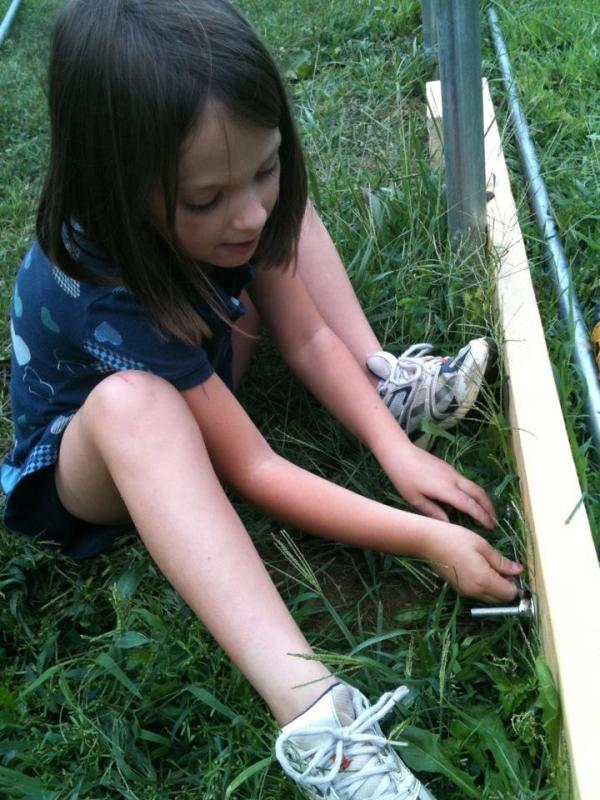
Vivian Appleton is one of our youngest volunteers.
BLOGGING: The Wild Ramp currently has four people who prepare content for the blog once a week. We need at least three more people including several who are excited about the opportunity to visit the farms and other Producers who bring the food to the Market. These visits are important to gather information about all the Producer grows, the farming methods used, and what their background as well as hopes for the future include. It is time to take lots of photos and help us KNOW OUR FARMERS. Most are located within an hour of Huntington and would take drive time plus about two hours for the visit. 
MARKETING: Facebook and the blog are only two portions of marketing that are get the word out about The Wild Ramp to the people who live in the area. If you have any experience or education with ways to attract business, we want to speak to you! For example, our recent event on Saturday, the Wild Ramp Summer RoundUp had a bovine guest, Breezy the Cow. While it was pretty busy for a couple of hours, activity inside the market slowed down to below a typical Saturday, which surprised us until we figured it out. We got the word out on Facebook but had not prepared flyers to hang around town. For better marketing, we need someone who is good at designing posters or flyers and others who can go around to shops and restaurants and other places to hang them so more people become aware of our activities and, believe it or not, the Wild Ramp market. And getting more people aware means more people shop there, which in turn not only helps us have enough income to pay the rent and other overhead, but the return of money to the Producers becomes more significant.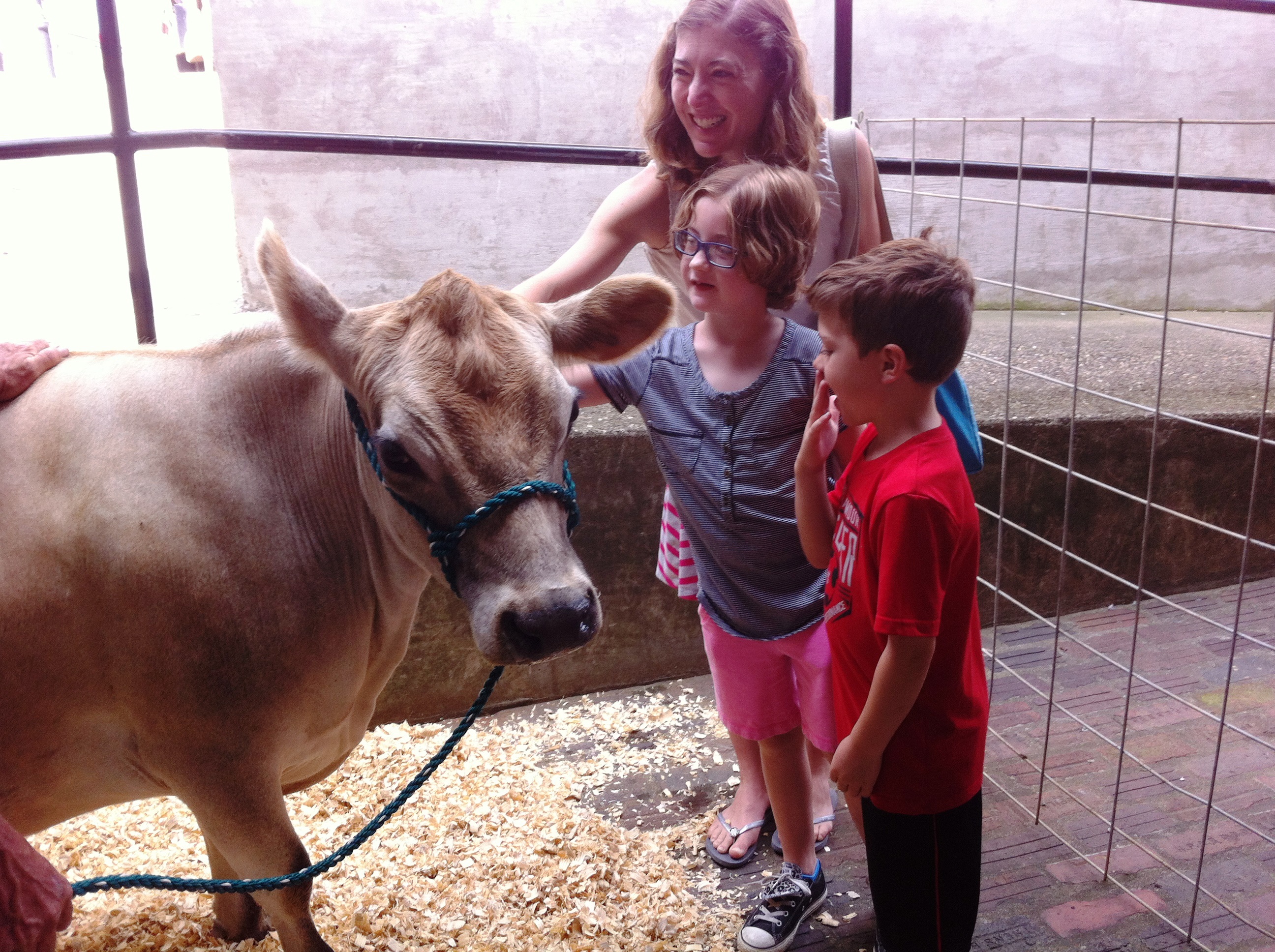
RECIPES: We love our farmers for growing food for us but some of it is a bit unusual, not part of our lifelong diet we grew up with purchased at the supermarkets. Often market volunteers are asked by shoppers how to prepare the new food and sometimes there is time to get on the internet right then and print something out. Most of the time, however, the shop is too busy with people needing to check out and farmers bringing items in, which occupies both computers at the store. We need several people who will prepare recipes and print them on index cards. Recipes can be taken from Taming the Wild Ramp: Reachable Recipes for Real Food, your family’s cooking repertoire, or searching on the Internet for recipes that look yummy.
PHONE CALLS: Believe it or not, not everyone is on the Internet. Yup, we are, so it is hard to believe, but there are many many people out there who can not get the information we need them to get from our Facebook page. For example, many of our farmers get online once a day (if that) so there is limited contact with them even by email. The Market often needs to contact them about a number of issues but the manager does not have the time to make calls. She would call you with the information and the script and you would make the calls and report back. This is one type of phone call we know we need some help making on a regular basis.
CONSTRUCTION: We need people to build projects for the Market. We need this NOW! For example, we know that in just a few weeks we will have about three times the amount of fruit and vegetables that the Producers are currently bringing –just think of all the fresh ripe tomatoes, cucumbers, peppers and more that summer gardens produce! We need to be able to display them for sale in a different way than we currently use on tables. We have the designs and we need someone who can put it all together at home. We will help get it to the store!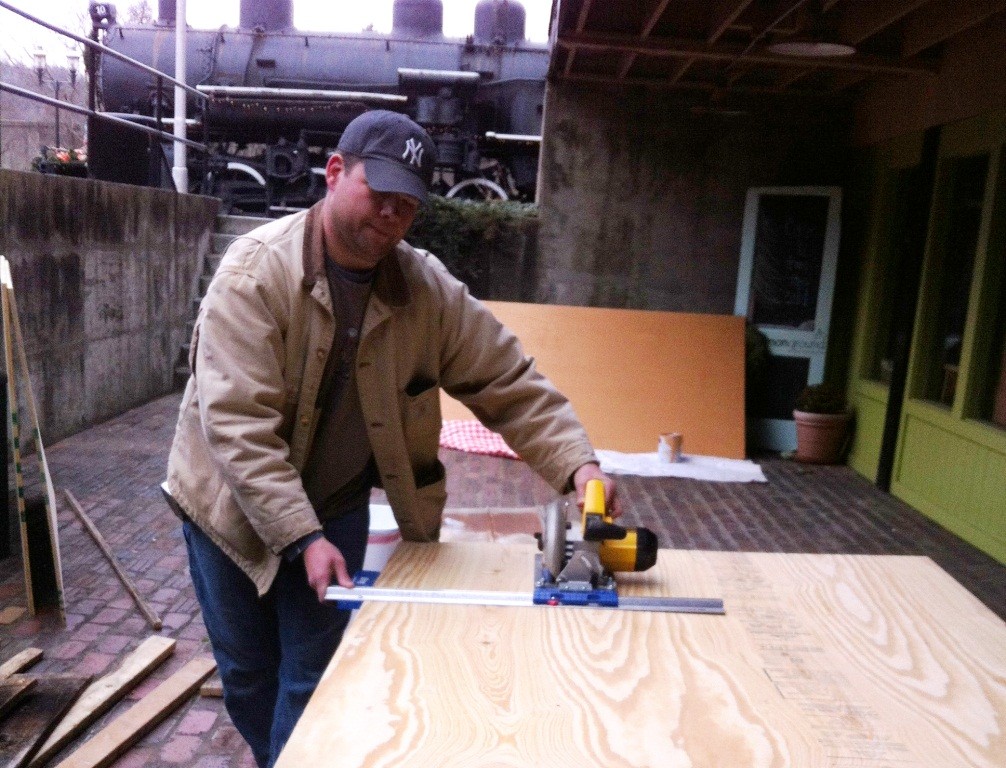
DATA ENTRY: Remember back when the market opened and we had to handle sales the old fashioned way? When we got the computer system the check-out flow improved. Over the course of the year another change was made which required Jennine Barilla to make adjustments to each item in the database. Well, now that it is a new growing season, some other things have changed and the database needs adjusting again. This can happen faster with more people working on it.
SEWING: The wonderful shopping tote is one of the perks of becoming a Friend of the Market. They are made from 100-pound feed sacks washed by the contributing farmer and then cut and sewn by volunteers. It is a simple sewing project and anyone with any kind of machine can help!
MARKET HUNT: As much as we love being located in Heritage Station and as much as we have helped the development of Heritage Station become a destination for residents and visitors, we realize that the space we currently have, at the rental we are asked to pay, is not a comfortable fit for us. We need more eyes and brains in the search for a location where we have the room to do all we hope to do (like classes, like a demonstration kitchen and more). We have heard that other markets like ours are located in buildings with no rent! That the owners, recognizing that a vacant structure was not doing anyone any good, had the civic pride to offer the space. While we can dream of free rent, we are hopeful for at least a reasonable rent for the space we need. So, we need your help to search out locations and speak to any property owners you may know who have vacant buildings that could be considered.
Being part of a community feels good, especially if you can be active doing something you enjoy. So please let us know how you would like to pitch in and be a part of making The Wild Ramp one of Huntington’s ongoing signs of success!
Photo of the Day: Veggie Bouquet

I have enjoyed reading the matron of husbandry’s blog Throwback at Trapper Creek (http://matronofhusbandry.wordpress.com/2013/06/22/farmstead-album-solstice-edition/) and wanted to share her gift to us for the Solstice.
I can’t wait to meet her as she lives in Oregon within an hour of where we plan to live. I have learned a lot reading about her farm and her life.


 wildramp